United Kingdom, GBP
 United States, USD
 Canada, CAD
 Australia, AUD
 New Zealand, NZD
 European Union, EUR
 France, EUR
 Switzerland, CHF
 Germany, EUR

2026 (or Twenty Twenty Sex, as we dubbed it) has been the year of pleasure, with a playful side fuelled by the rise of fantasy and novelty toys. But there’s been a more purposeful side to pleasure, too, with fewer one-night stands and more meaningful moments.
AI also played a more prominent (and sometimes disruptive) role in our love lives, while sexual wellness moved further into the mainstream, thanks to moments including the RHS Chelsea Flower Show, MP Samantha Niblett’s sex education campaign, and Lily Allen’s Lovehoney collection.
As we move on from The Year of Pleasure, we’re looking ahead to Pleasure Rewritten, where familiar concepts are reimagined, redefined and given a new lease of life.
Heading into 2027, AI continues to reshape our relationships, but there’s a growing appetite for old-school romance, including the handwritten love letter. Meanwhile, a surge in the popularity of licking toys has us predicting a renewed interest in tongue-related pleasure, while news and current affairs become an unwanted third wheel.
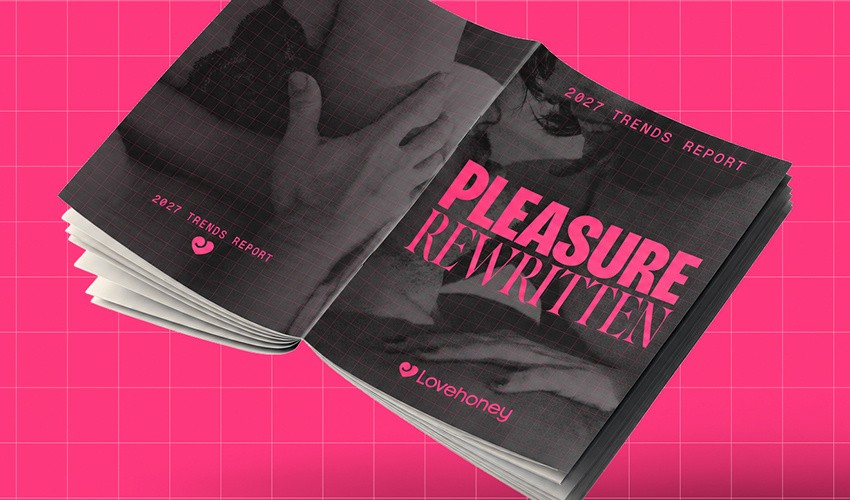
Here’s a glimpse into our 2027 trends:
1. Tongue Tide
As Lovehoney data reveals a +450% increase in sales of ‘licking’ toys, we're predicting a renewed interest in oral pleasure, from cunnilingus to good old-fashioned tongue kissing. But what if you find it all a bit intimidating?
“There’s no ‘one size fits all’ when it comes to oral pleasure, and the best way to discover what works for you is to explore and be open about what feels good,” says sex and relationship expert, Annabelle Knight. “Try experimenting with different techniques – whether that’s temperature play or introducing toys. The more comfortable you become talking about what you enjoy, the more rewarding oral sex can be.”
2. Outsourcing Intent
AI isn’t just changing how we work. It’s changing how we date, navigate relationships and learn about sex. From using AI to set up dating profiles, evaluate relationships or seek sex advice, people are increasingly turning to technology for help with their love lives. In fact, 27% of men have asked AI how to pleasure a partner.
3. Sexistential Crisis?
Amongst political uncertainty and financial pressures, the outside world is finding its way into our bedrooms and changing how we feel about sex and dating. More than half of Gen Z (56%) say that news or current affairs affect their dating life, while 47% even say it impacts their sex life. But it’s not all doom and gloom. Many people are turning to offline dating and phone-free activities to switch off and enjoy romance again.
4. Personalisation of Romance
As AI and technology become a bigger part of our love lives, UK adults are searching for more personal forms of romance, and a little more effort from their partners. One form this is taking is the return of the humble handwritten love letter, with as many as 75% of Gen Z saying they would like to receive one.
5. Bed-Situationships
You may have heard of ‘sleep divorce’, but ‘bed-situationships’ is the newest take on the phenomenon and one that we expect to see more widely in 2027. Unlike sleep divorce, a bed-situationship involves couples occasionally sleeping apart rather than making a permanent change to their sleeping arrangements.
“The research indicates a shift in how we define intimacy and healthy relationships. You don’t have to share a bed every night to have a strong relationship, and it doesn’t mean anything is ‘wrong’,” explains Sarah Mulindwa, a sexual health and wellbeing expert.
For Gen Z, this is working in their favour: 31% report a positive impact on their relationship, compared to just 10% who report a negative impact. “Getting enough rest can leave you feeling happier, healthier and more connected. It also encourages couples to make intentional time for intimacy, rather than assuming it will happen naturally when sharing a bed – creating a positive impact on their sex life,” Sarah continues.
6. The Hotness Inflation
“Politics is increasingly becoming part of pop culture. Social media has accelerated this, elevating a number of political figures to celebrity status,” says Justin Lehmiller, a researcher at the Kinsey Institute.
From swoon-worthy TV characters to unlikely political heartthrobs, our idea of what’s attractive is changing. Take Off Campus, for example, a steamy romance show whose emotionally available, intelligent male characters are winning hearts and challenging traditional ideas of masculinity.
As 23% of people say that film and TV shows have a big influence on their sexual or romantic preferences, it’s clear that what we watch can shape what we look for in a partner. And with these positive male role models stealing the spotlight, could our romantic expectations be changing too?
“Yes, physical attractiveness is sometimes part of the story, but it goes deeper than that. When a charismatic communicator shares your values or articulates your beliefs in a particularly compelling way, it can create a sense of connection or shared identity that only makes them more attractive,” says Justin.
7. The Changing Shape of Desire
The use of weight loss drugs (GLP-1) has risen significantly and is showing no sign of slowing down. Meanwhile, 58% of Gen Z and 57% of millennials feel more pressure to look a certain way to be considered attractive compared to two years ago. Several factors influence how we perceive attractiveness, but the popularity of GLP-1 medications could also impact body image.
“Whilst research is limited and lots still to discover, the growing use of GLP-1s will more than certainly have an influence on culture and sexuality,” says Elisabeth Neumann, sexologist and user researcher at Lovehoney. “How will our concept of pleasure shift when it gets intentionally dampened? If our relationship with pleasure changes, so too could the way we experience desire, attraction, and connection.”
Research into the possible impact of GLP-1 medications on sexual desire and sexual function is still emerging, making this another area to watch in 2027.